

The Ultimate Italy Travel Guide
Italy is truly a must-visit country, and one of the most-traveled destinations in Europe. There are so many highlights from Venice to Rome to Florence.
Read More >Popular travel and lifestyle blog featuring travel tips, fashion, food and photography from around the world. Follow Kiersten on her adventures!
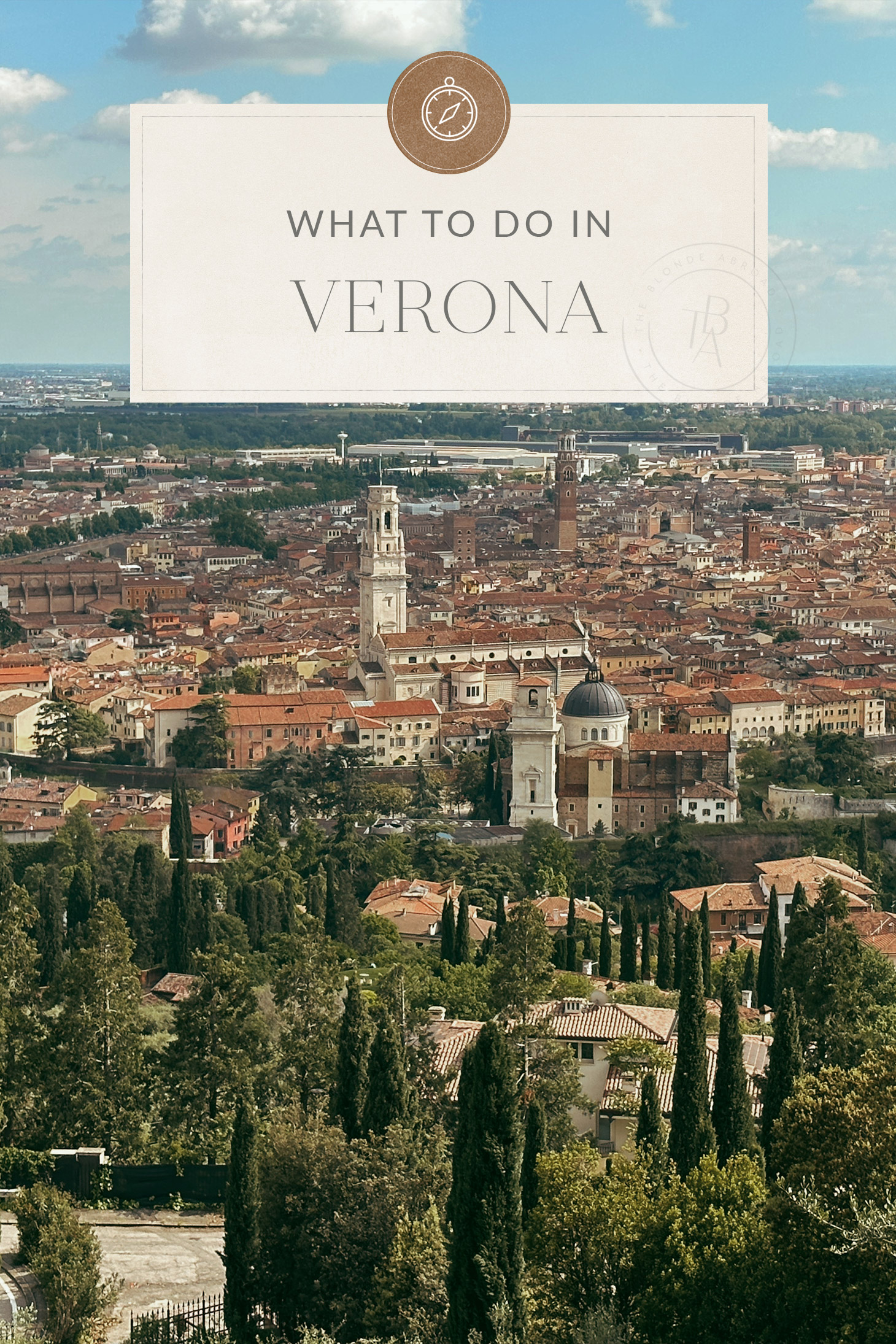
From the moment you arrive in Verona, you'll be swept away by the city's romantic charm. The historic center is a UNESCO World Heritage site, with stunning architecture that will take your breath away. The narrow cobblestone streets and beautiful piazzas are perfect for strolling, and you'll love exploring the many cafes, shops, and restaurants along the way. Verona is a city that's full of romance, history, and culture. Whether you're exploring the ancient streets or sipping wine in a cozy cafe, you're sure to fall in love with this magical city!
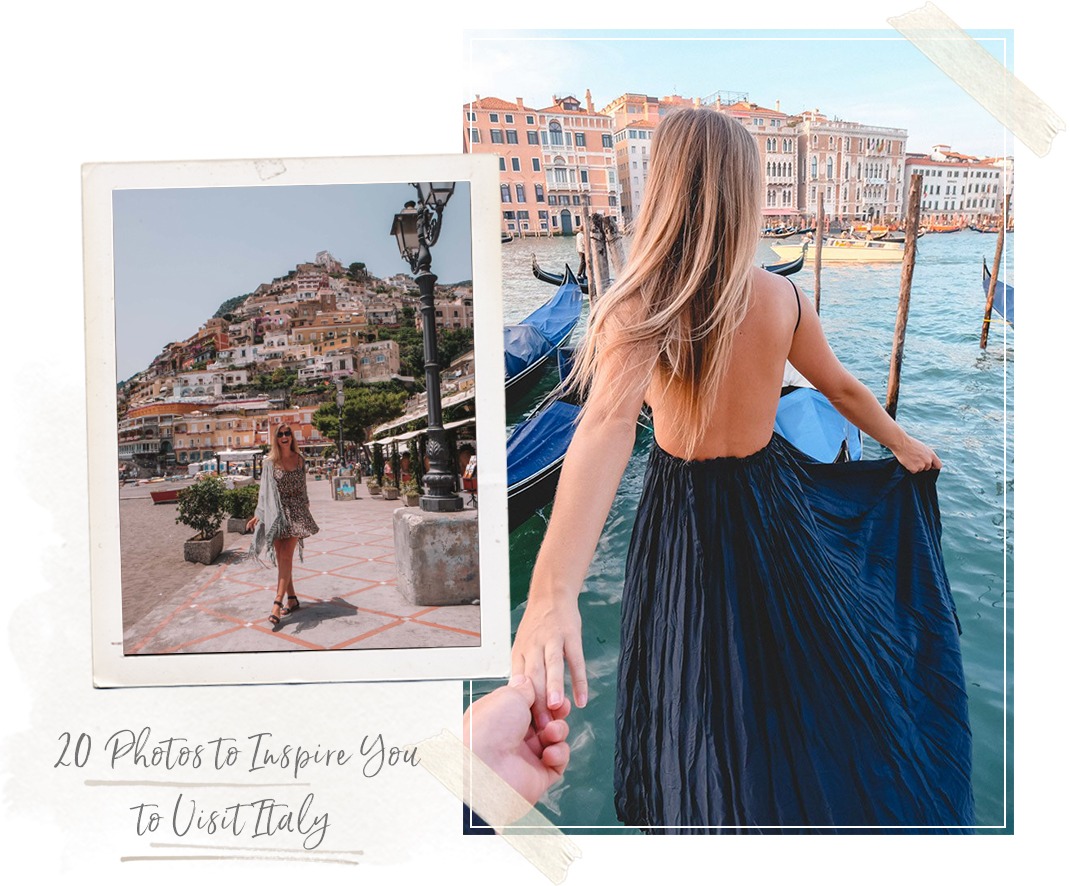
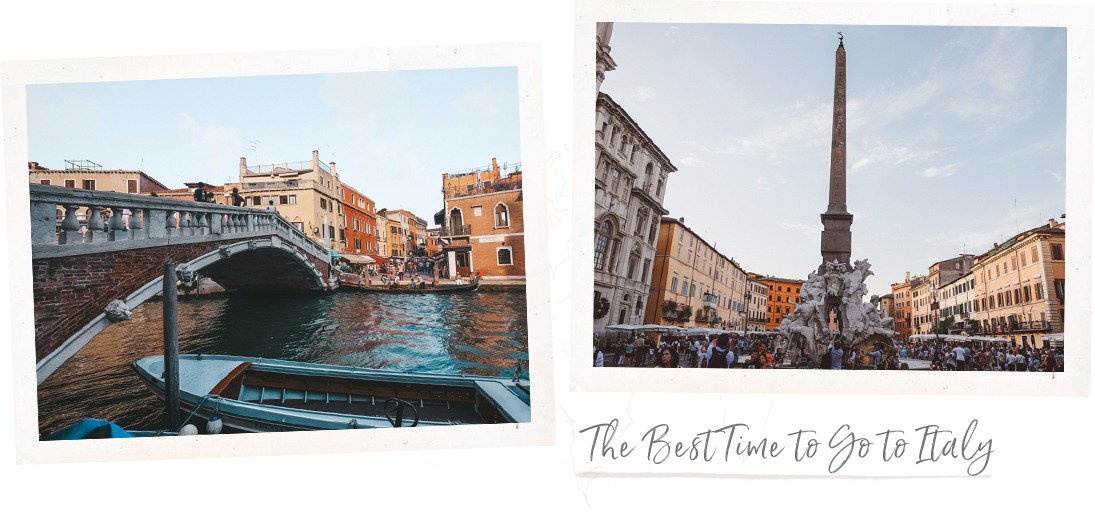
Check out these 10 Tips for Your First Trip to Italy!
Language: Italian! Though some locals don’t speak English, most Italians have become accustomed to English-speaking tourists so you shouldn’t have a problem communicating.
Currency: Much like a lot of other countries in Europe, they use the Euro. With so much tourism, Verona widely accepts credit cards. On my most recent trip, I noticed cash is used less and less and contactless payments are also accepted at most shops and restaurants.
Climate: In Verona, the summers are warm and humid, and the winters can be very cold. Over the course of the year, the temperature typically varies from 31°F to 86°F and is rarely below 22°F or above 93°F. Italy is on the same seasonal cycle as the USA meaning when it’s summer/winter in the USA, it’s summer/winter in Italy.
Peak Season: The peak tourist season for Verona (and most of Italy) is June-August. Since so many people visit during these months, prices get VERY expensive. That said, Verona is not as expensive or as crowded as Venice, the most popular destination in the Veneto region.
Best Time to Visit: Don’t miss my guide on The Best Time to Visit Italy for a detailed breakdown of what to expect throughout the different seasons.
Walking: There are a few ways to get around Verona but the most common is going to be walking. Verona is fairly small and super walkable—which is why I highly recommend a walking tour when visiting!
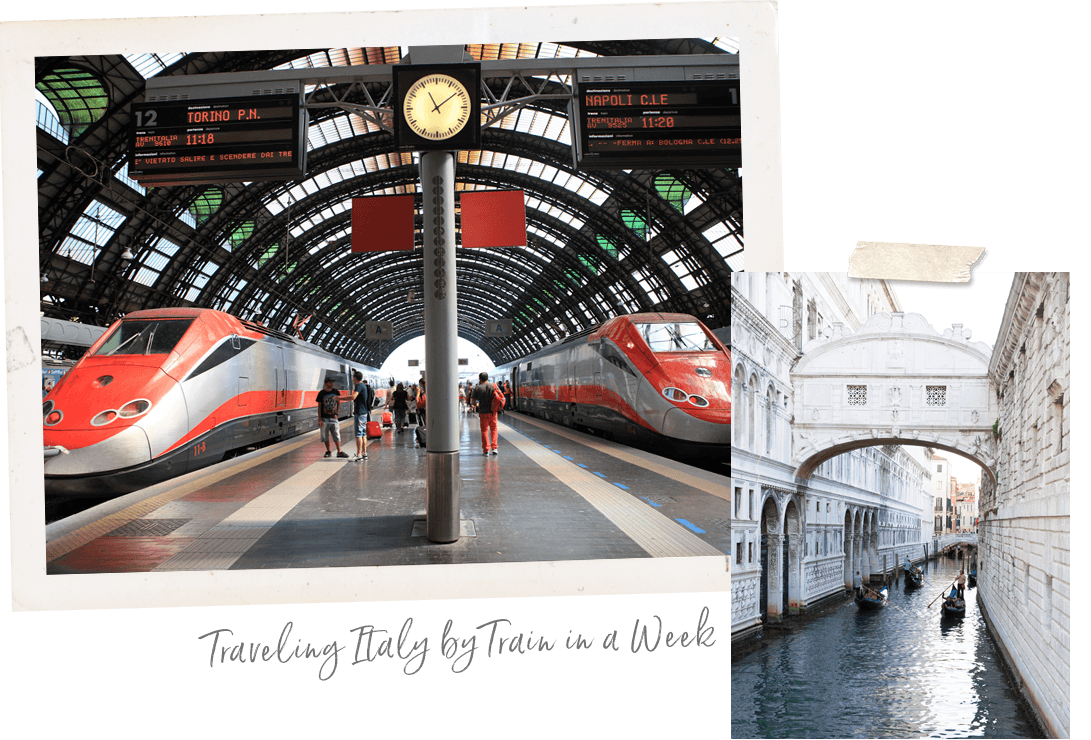
Train: The Verona train station isn’t in the city center, so you’ll need to take a 10-minute cab, a 15-minute bus, or walk 20-30 minutes down the highway. One of the easiest ways to get around Italy and the rest of Europe is to travel by train. Europe has an extensive and travel-friendly train system so you can explore easily. If you’re new to train travel, don’t miss my Guide to Traveling Europe by Train.
Bicycles: Verona is a bike-friendly city with many cycling paths and bike-sharing services available. You can rent bicycles from several locations in the city and explore at your own pace. Just be sure to follow traffic rules and use designated cycling lanes where available.
Verona Card: Consider getting a Verona Card if you plan to visit multiple attractions. This card provides free admission to several sites, unlimited use of public transportation within the city, and discounts at various shops and restaurants. It can be a cost-effective option if you’re planning an extensive itinerary.
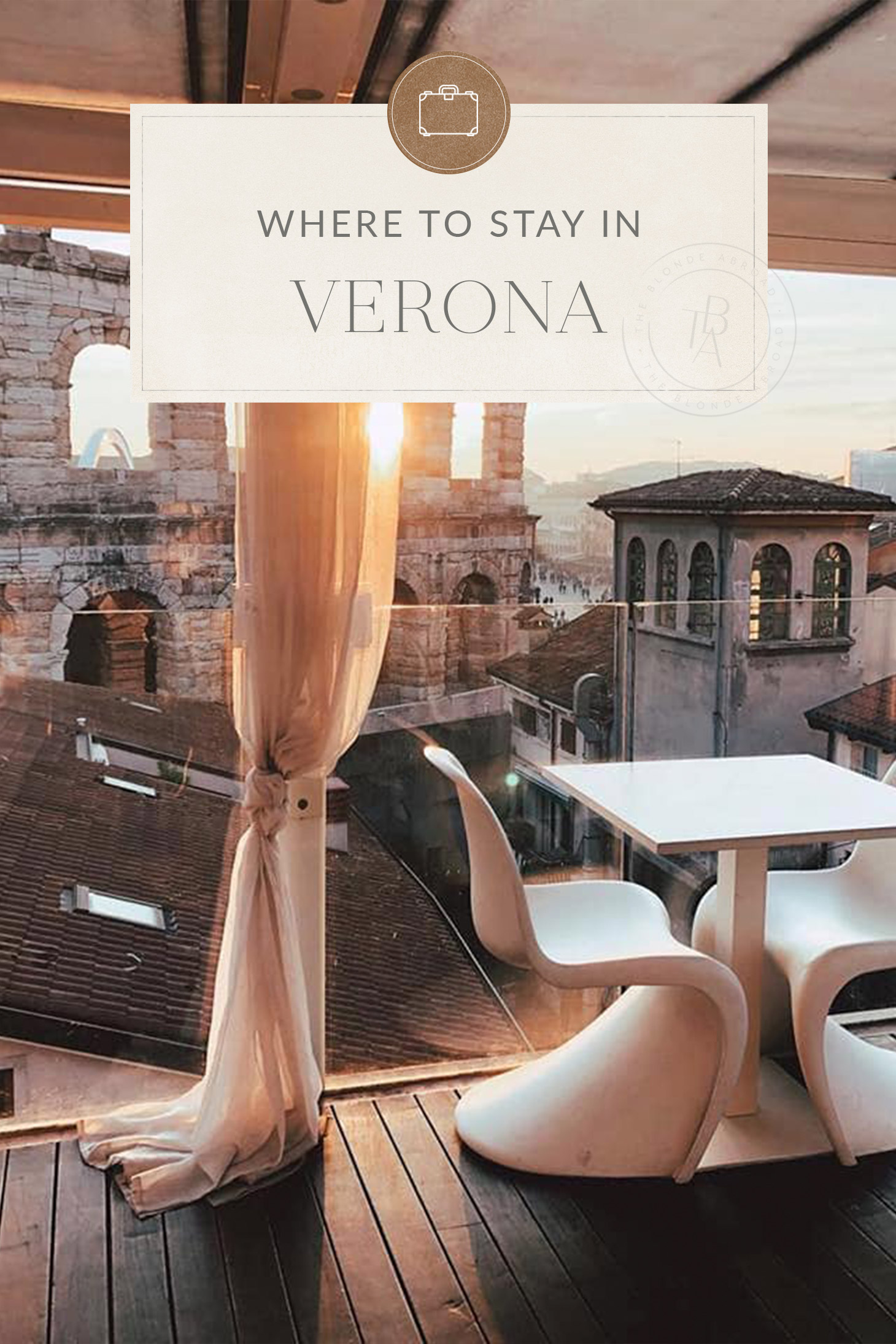
When visiting Verona, there are several wonderful options for accommodation that cater to different preferences and budgets. One popular choice is to stay in the historic center of Verona, which allows you to immerse yourself in the city’s charming atmosphere and easily explore its iconic landmarks such as Juliet’s House and the Arena di Verona.
There are numerous boutique hotels and charming guesthouses tucked away in the narrow streets, offering a mix of modern comforts and traditional Italian charm. Alternatively, if you prefer a more luxurious experience, you can opt for one of the elegant hotels situated along the Adige River, providing beautiful views and easy access to both the city center and the surrounding countryside.
For those seeking a quieter retreat, the hills surrounding Verona offer picturesque villas and agriturismi, allowing you to enjoy the peaceful countryside while still being within reach of the city’s attractions. Regardless of where you choose to stay, Verona’s warm hospitality and rich cultural heritage are sure to make your visit unforgettable.
Located in the heart of Verona, near the famous Arena di Verona, this historic hotel offers elegant rooms, a refined atmosphere, and exceptional service.
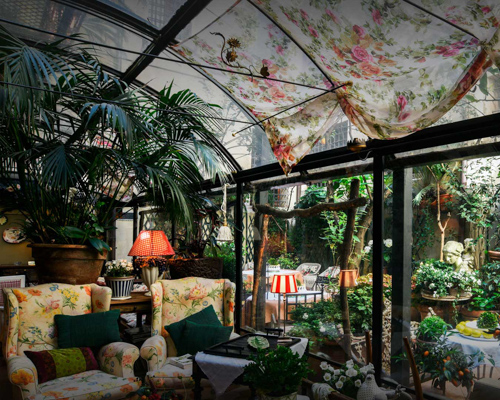
Housed in a beautifully restored 16th-century building, this boutique hotel offers individually decorated rooms, combining historic charm with modern amenities. It is located near Piazza delle Erbe.
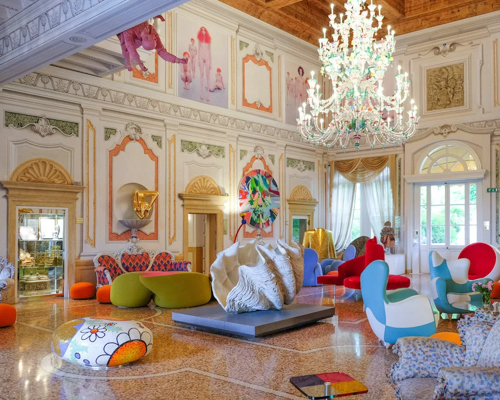
Located in a 15th-century villa, this unique hotel showcases contemporary art throughout its interiors and offers luxurious accommodations, a spa, and a gourmet restaurant.
Verona is known for its delicious cuisine, so be sure to sample some of the local specialties while you’re there. Try a glass of the city’s famous Amarone wine, which is made from dried grapes and has a rich, complex flavor.
You’ll also want to try risotto all’Amarone, a creamy rice dish that’s cooked in Amarone wine, and bollito misto, a traditional meat dish that’s served with a variety of sauces.
Here are the top restaurants to eat at in Verona!
NOTE: Some of these tips are compiled from reader recommendations!
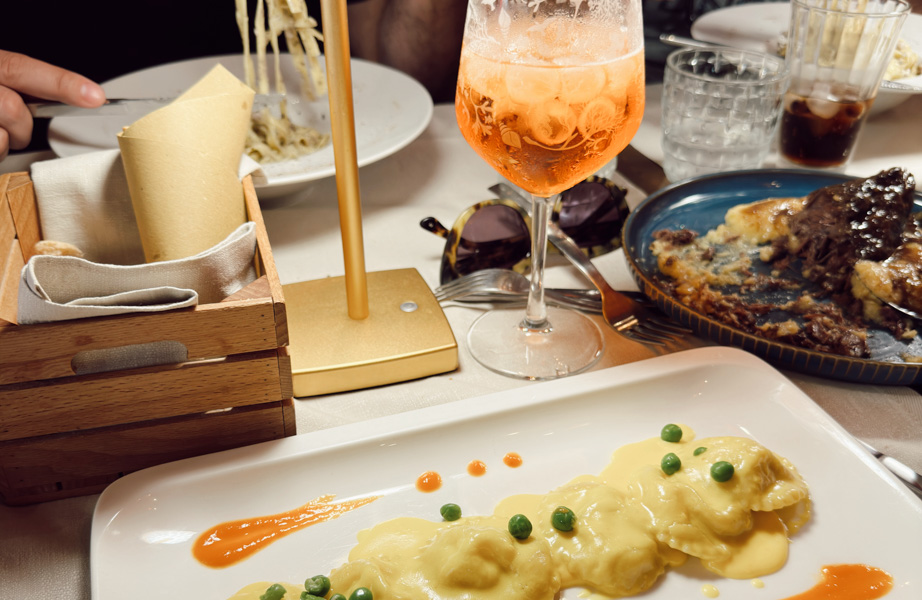
We were traveling with my mom on this trip, who has a gluten and dairy-free diet. So, I stumbled upon this restaurant while researching options in Verona. It ended up being one of our favorite meals from our entire trip around Italy! They were super accommodating with gluten-free options, including pasta, and even prepared freshly baked gluten-free bread. I don’t eat meat, but we ordered beef cheek for the baby (don’t be intimidated — it’s super tender meat) and everyone that tasted it said it was amazing!
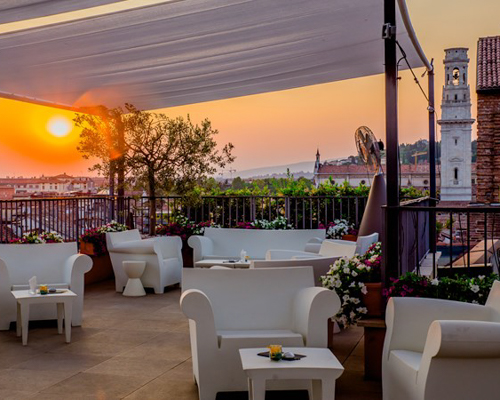
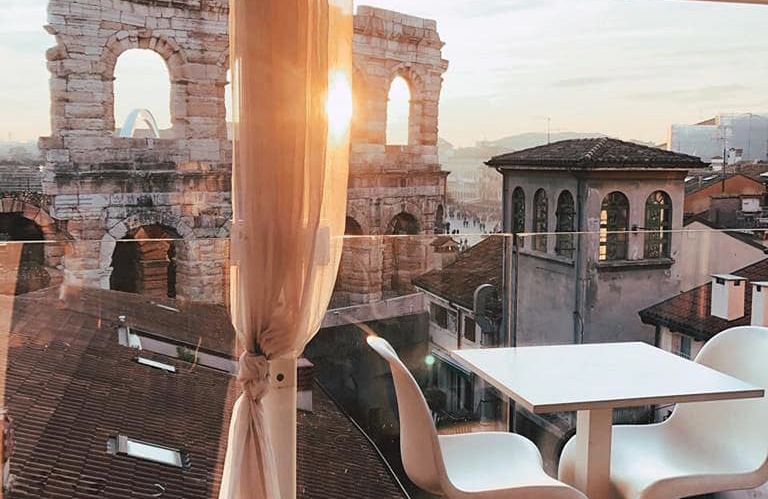
Located on the roof of the Hotel Milano & SPA, you can enjoy a unique and unforgettable 360° view of Verona including a view of the Arena. The lounge is open from 3 pm to midnight and also serves dinner from April to October.
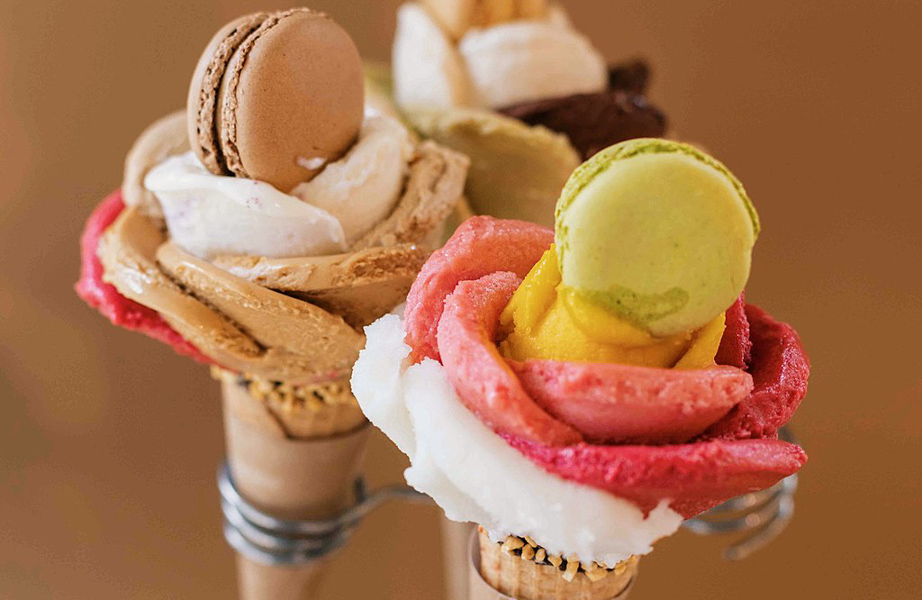
There are two Amorino gelaterias in Verona! Amorino carefully sources ingredients all of which are free of preservatives, artificial flavors, and flavor enhancers, to make their artisanal gelati.
Then, using a spatula, the gelati are shaped like a rose, their signature design!
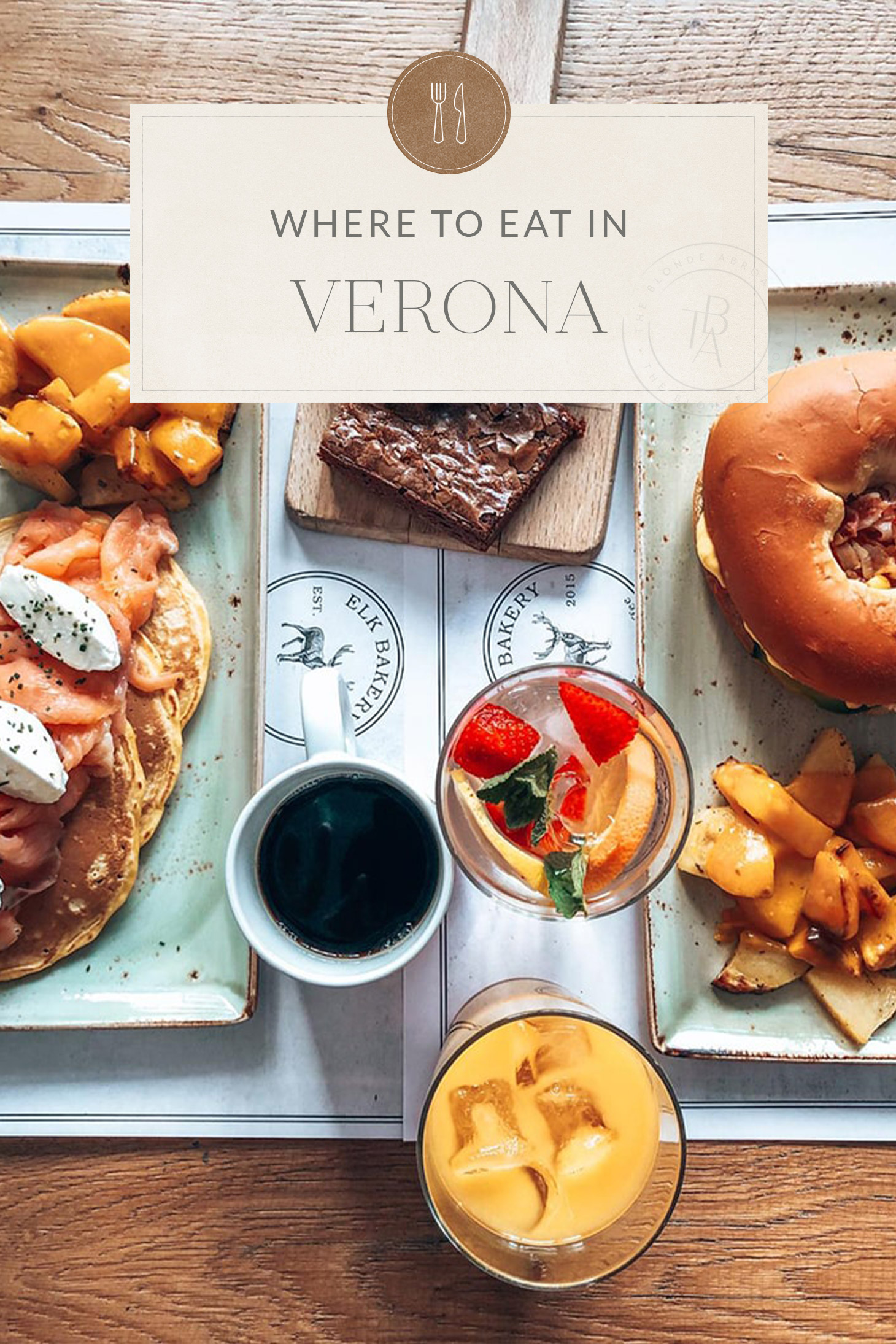
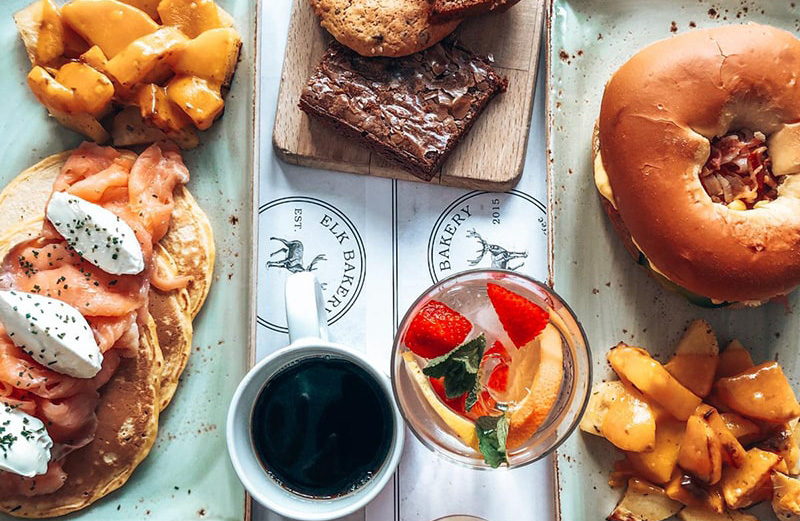
You will also find Elk Barkeries at two locations in Verona. Homemade, seasonal, classic dishes & a weekend brunch menu served in an industrial-chic coffee shop. If you’re looking a pancake breakfast in Italy, this is your spot!
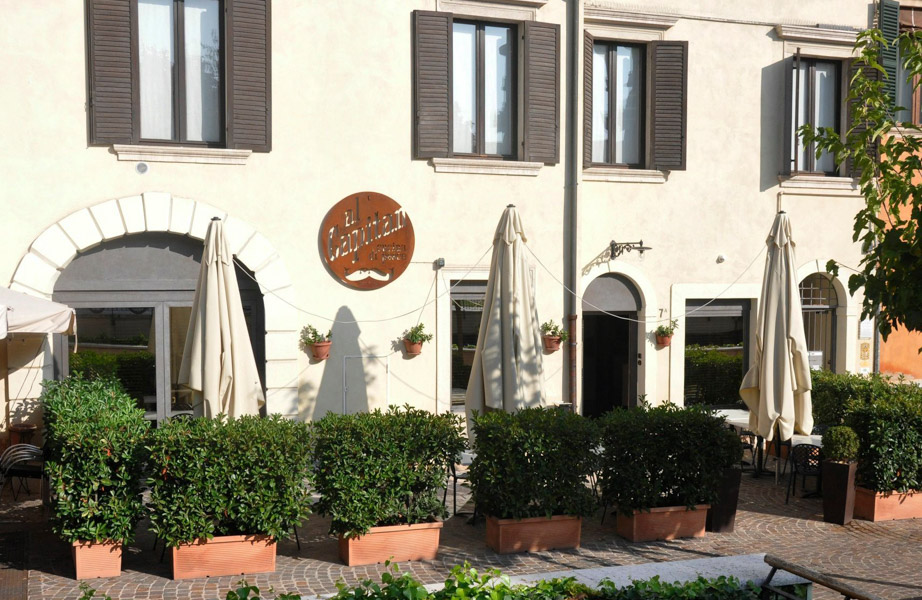
Artfully presented oysters, clams & scampi in a modern venue with Mediterranean-inspired decor. Situated just outside the town walls, Al Capitan has been one of the most renowned fish restaurants in Verona for over fifteen years. Note: It is on the pricier side!
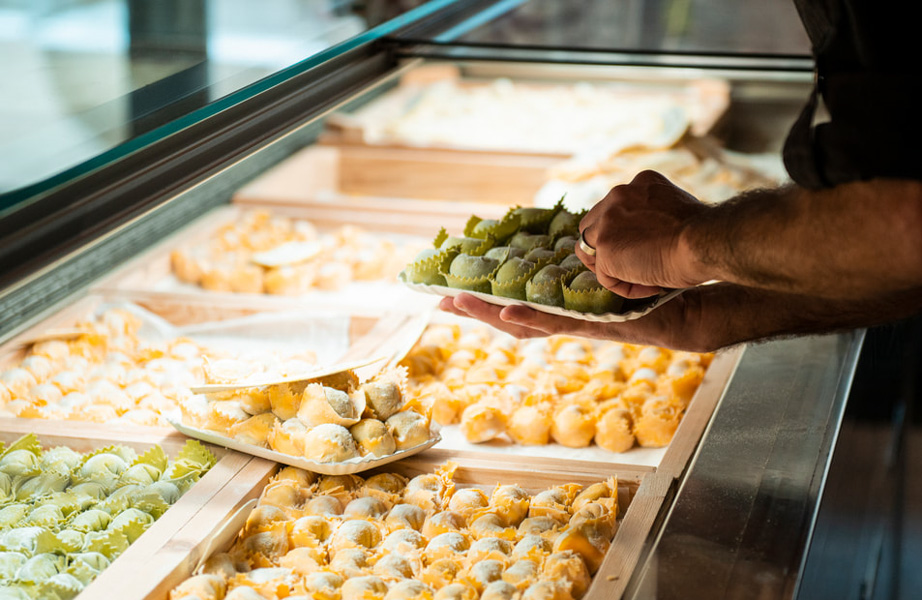
Every day La Bottega prepares fresh tortelloni, tortellini, tagliatelle, gnocchi, lasagna for takeaway. If you’d like prepared pasta, no reservations are required. Simply choose your favorite pasta and get it cooked instantly. Eat at their outside tables or while strolling around Verona.
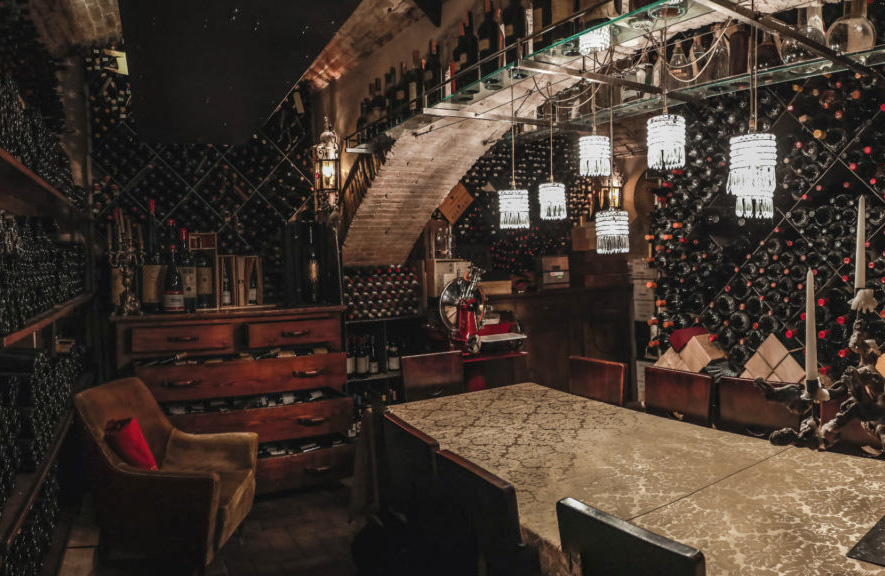
Prestigious, centuries-old wine bar for tapas, Italian meals & a range of regional & national wines. The menu of The Bottega is based on the traditions of Verona and Veneto and the restaurant has one of the best wine lists in all of Italy.
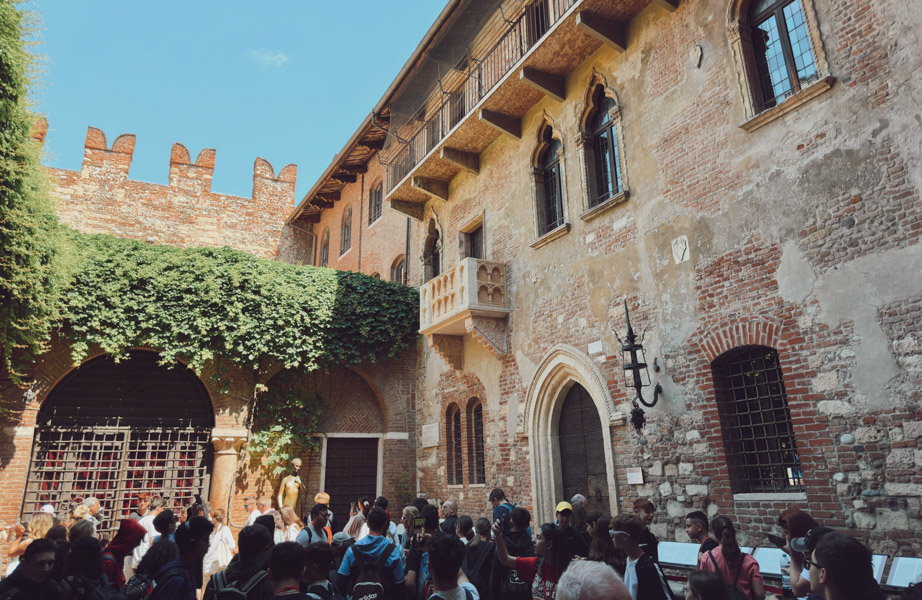
One of Verona’s most famous attractions is Juliet’s Balcony, which draws visitors from all over the world. It may be a bit touristy, but it’s still a must-see for anyone who loves Shakespeare’s Romeo and Juliet.
You’ll also want to check out the famous Arena di Verona, which dates back to the 1st century and is one of the largest amphitheaters in the world.
Here are the top things to do in Verona!
NOTE: Some of these tips are compiled from reader recommendations!
This is probably the #1 tourist attraction in Verona. Interestingly, the site isn’t “real” though it is beautiful and does date back to the 12th century.
Fun Facts:
Shakespeare’s Juliet wasn’t actually based on a real person, and the house doesn’t have any relation to the story. In fact, Shakespeare never even traveled to Italy and the original play doesn’t even mention a balcony! Modern adaptations began featuring her on a balcony, but balconies also didn’t exist during Shakespeare’s lifetime.
All of that said, the appeal of visiting a site inspired by the most famous romance of all time appeals to the masses!
We went to the courtyard to see the statue and balcony but opted to skip the museum. Most visitors come to the courtyard to touch a bronze Juliet statue’s right breast. You’ll have to fight through the crowds to do so, but it’s meant to bring good luck.
The museum is small and houses Renaissance-era costumes and the bed used in Franco Zeffirelli’s 1968 adaptation of Shakespeare’s famous play.
Note: If you want to avoid crowds, visit the courtyard as early as possible.
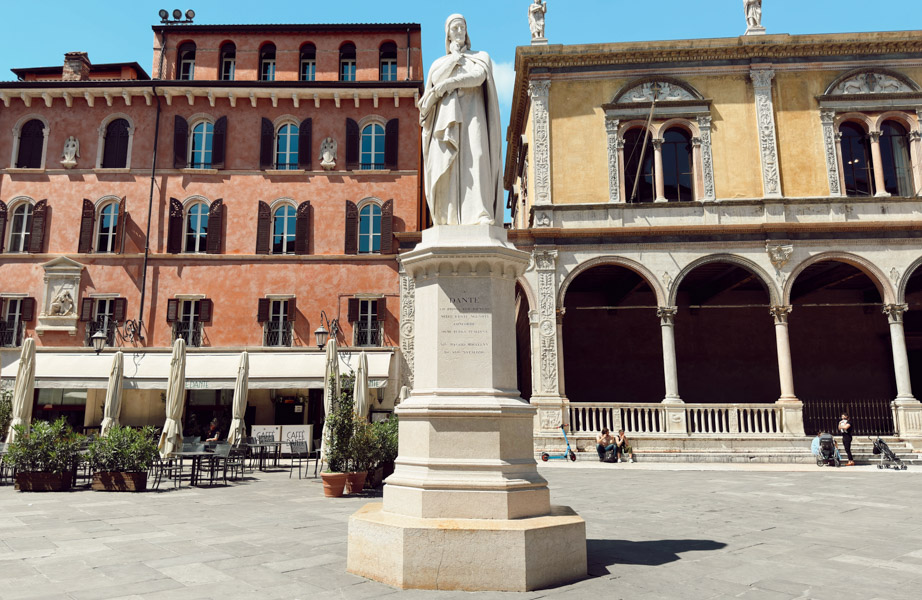
Piazza dei Signori, also known as the “Square of the Lords,” is a picturesque and vibrant square located in the heart of Verona. Renowned for its architectural beauty and rich cultural heritage, Piazza dei Signori attracts locals and tourists alike, offering a memorable shopping experience.
For those seeking traditional Italian craftsmanship, there are shops specializing in handmade leather goods, including finely crafted bags, belts, and shoes.
Piazza dei Signori is also home to charming specialty stores that offer regional delicacies and gourmet food products. Here, you can find an array of local cheeses, cured meats, olive oils, wines, and other culinary delights.
You may also encounter quaint bookshops, antique stores, and art galleries that showcase the city’s cultural heritage. In addition to the shops, Piazza dei Signori often hosts lively open-air markets, where local vendors set up stalls offering fresh produce, flowers, handmade crafts, and souvenirs.
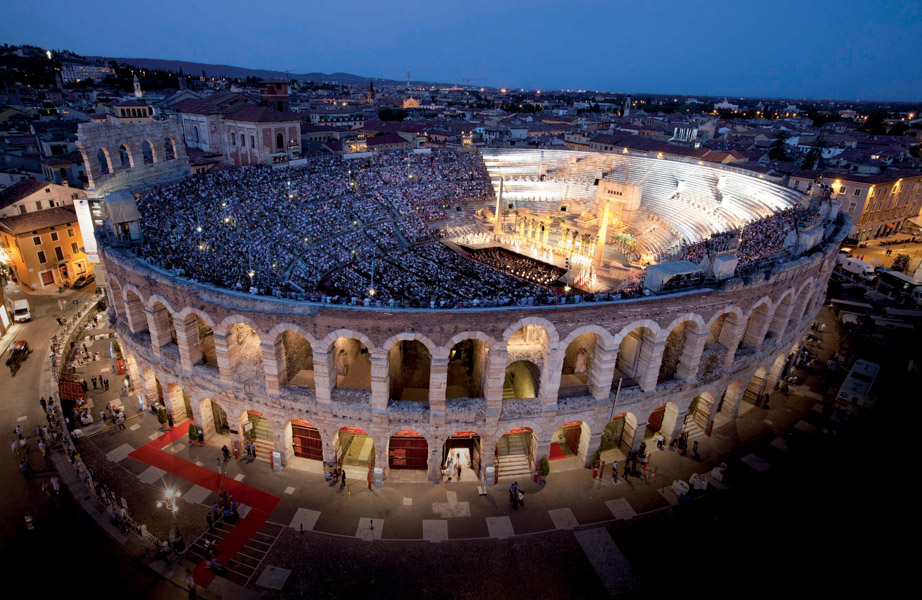
The Arena di Verona is primarily known for its annual opera festival, which takes place during the summer months. The Opera Festival at the Arena di Verona is one of the most renowned in the world.
It typically runs from June to August, featuring a variety of operas performed by acclaimed artists and ensembles. The performances are held in the open-air setting of the ancient amphitheater!
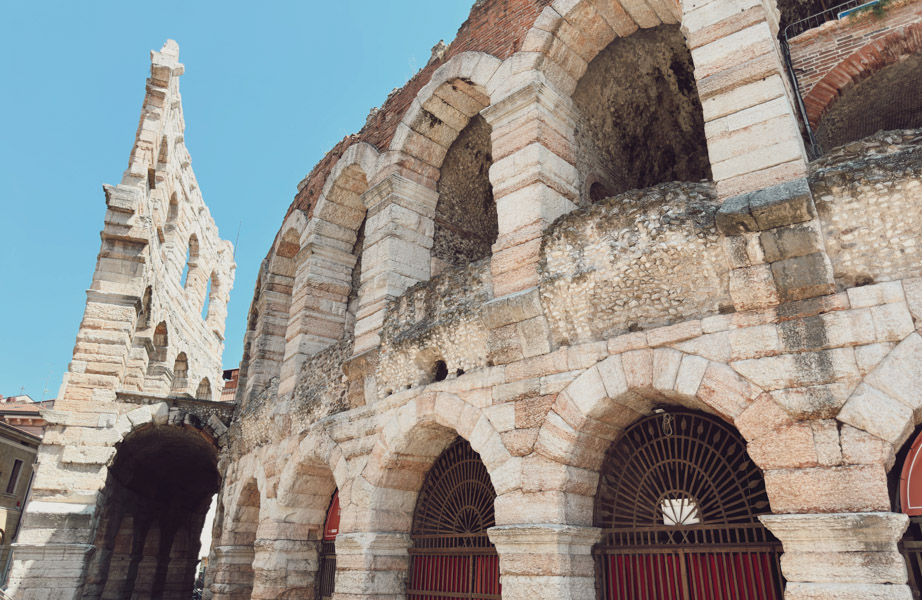
The Arena di Verona is a magnificent ancient Roman amphitheater. It is one of the most well-preserved and renowned amphitheaters in the world and is considered a true architectural and historical gem.
Fun Fact: It’s older than the Colosseum!
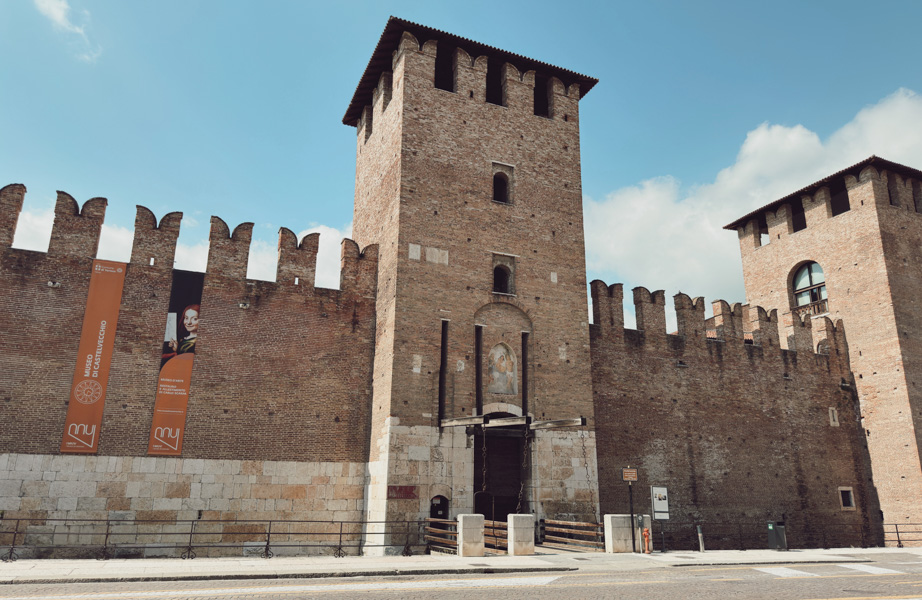
As you approach the imposing walls of Castelvecchio, you can’t help but be captivated by its rich history and architectural beauty. This medieval fortress, dating back to the 14th century, stands proudly on the banks of the Adige River, offering a magnificent view of the city.
Once inside, prepare to be transported back in time. The museum, skillfully blending history with contemporary design, houses an extraordinary collection of art and artifacts.
As you make your way through the museum’s corridors, you’ll find yourself immersed in a world of Renaissance masterpieces. The works of renowned Italian artists like Paolo Veronese and Jacopo Bellini adorn the walls, telling stories of love, tragedy, and human emotion.
Begin your walk at Ponte Pietra, a picturesque Roman stone bridge that offers stunning views of the river and the city. This iconic landmark is a perfect starting point for your journey.
The Lungadige is a scenic promenade that runs along the riverbanks. Follow this path as it winds through the city, allowing you to appreciate the beauty of Verona while enjoying a leisurely walk.
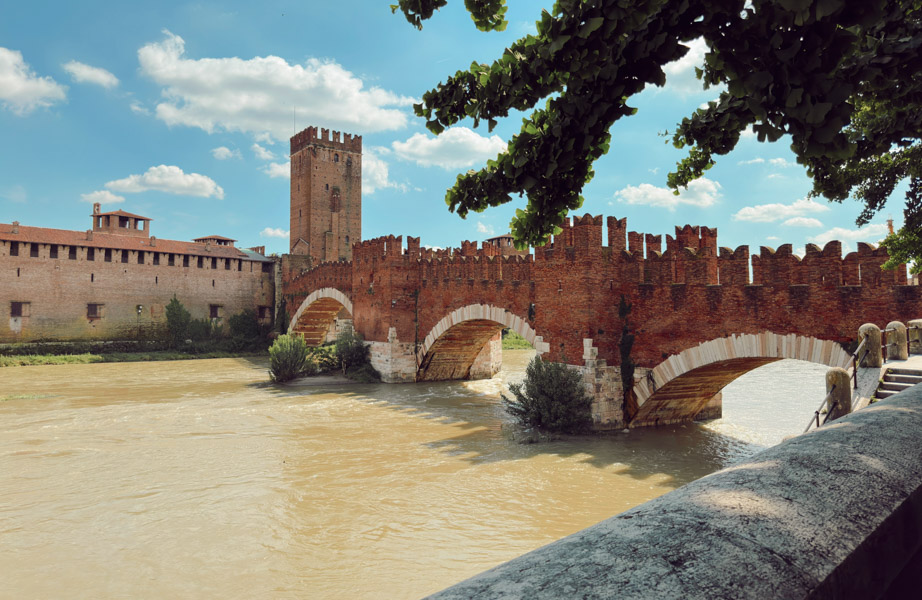
Make sure to cross the Ponte Scaligero, a medieval bridge that provides a unique perspective of the river. The bridge leads to Castelvecchio, a historic castle and museum worth exploring.
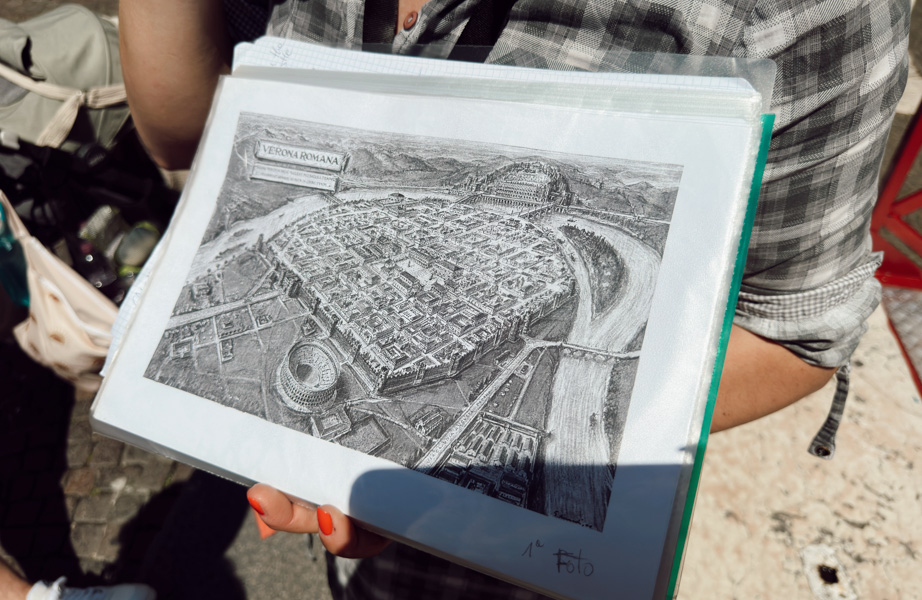
We visited Verona on a day trip from Venice and opted to do a walking tour of Verona so we could see as much as possible. I love walking tours you get a deeper understanding of the history of a place, and have a local guide sharing the best spots to eat and things to do!
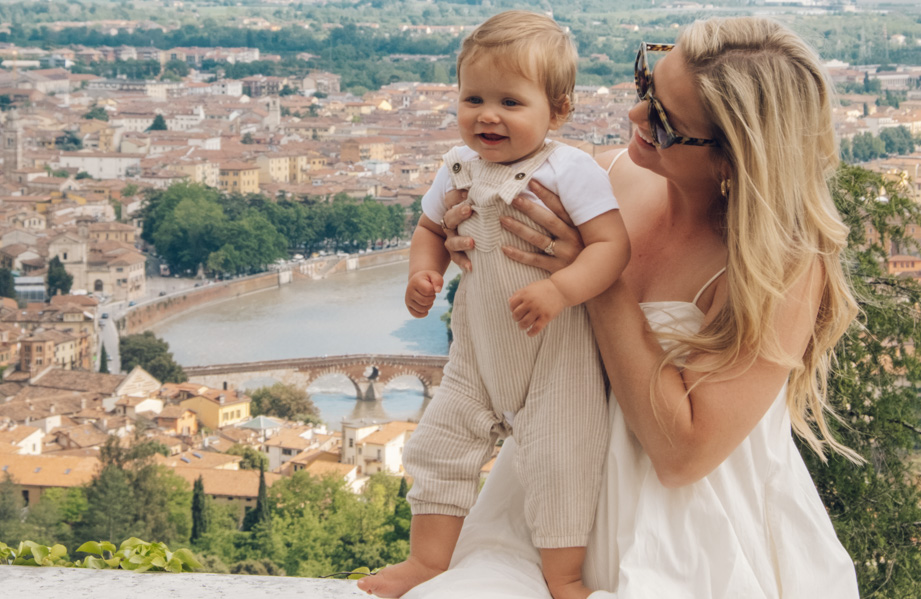
We had a driver on our day in Verona so we were able to visit Santuario della Madonna di Lourdes. This a great spot for a panoramic view of Verona, but you are much higher up and would need a taxi or car to get here.
For another amazing view of Verona, definitely head to Castel San Pietro for sunset. You can take the stairs or funicular (€3.00 return) from the city up the hilltop to enjoy the view.


Italy is truly a must-visit country, and one of the most-traveled destinations in Europe. There are so many highlights from Venice to Rome to Florence.
Read More >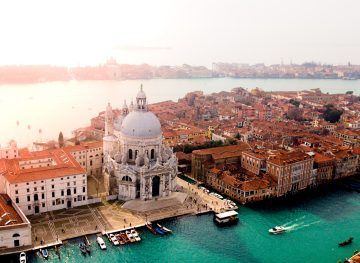
There’s something extremely romantic and charming about Venice, plus there is so much history and culture. Here is my ultimate guide to Venice, Italy!
Read More >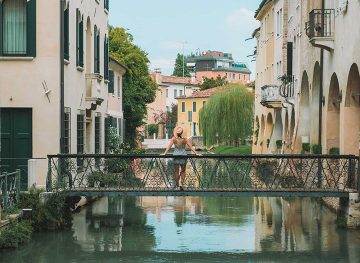
Thinking of traveling to Venice, Italy but hoping for something a bit more under the radar where you can experience the magic of Italian life? I'm giving you a look into Treviso—the "other Venice."
Read More >
Italy is an incredible destination. But before you book your flights and eat your weight in gelato, there are a few things you need to know!
Read More >
Italy isn't the cheapest European country to explore, so here are my tips to save money, travel Italy on a budget and have an amazing time!
Read More >
Wondering how locals eat and what the food culture is like? I'm dishing up the goods! Here is my ultimate guide to eating like a local in Italy. Mangia bene!
Read More >
The part of my job that doesn’t usually make it to Instagram 💻
••••••••••••••••••••••••••••••••••
For every trip, travel guide and pretty photo you see, there’s a whole lot happening behind the scenes.
I’m constantly writing, researching, planning what’s next, running multiple businesses… and currently using AI to help build an entirely new website.
My AMD Ryzen AI-powered laptop has become the command center for all of it. I can have approximately 47 things happening at once (a conservative estimate), and it keeps up with the chaos.
Because ultimately, the goal is to spend a little less time behind the screen and a lot more time out experiencing the world. ✈️
••••••••••••••••••••••••••••••••••
@AMD #ad #AMDPartner #AMDRyzenAIPower

Just a girl who wants both… luxury AND adventure. 🏔️✨
And Gardena Grödnerhof in Ortisei might be one of my favorite examples of exactly that!
•••••••••••••••••••••••••••••••••••••
We spent our days exploring some of the most iconic sights in the Dolomites, then came back to the comforts of an incredible five-star hotel. Even traveling with a four-year-old, getting out and exploring felt surprisingly effortless.
A few things that made our stay so special:
📍 THE LOCATION: Right in the heart of Ortisei, a charming, walkable mountain town with easy access to Seceda, Alpe di Siusi, and some of the Dolomites’ most beautiful scenery.
🛏️ THE ROOMS: We stayed in the Chalet Seceda Suite, complete with a huge balcony, mountain views, a fireplace, and even our own private sauna!
🧸 FOR THE KIDS: A fantastic kids club, kid-sized robes and slippers, play areas, and thoughtful little details that make traveling as a family so much easier.
🧖🏼♀️ THE WELLNESS: A beautiful spa with an indoor pool, outdoor whirlpool, saunas, and plenty of ways to relax after a day in the mountains.
🍝 THE FOOD: Two restaurants, including Michelin-starred Anna Stuben, and an incredible breakfast spread (complete with a juicing room).
What made this hotel so special was how accessible the adventure felt. We could have these huge days exploring the mountains and come back to somewhere so comfortable, with incredible food, a beautiful spa, and everything we needed to relax.
It was the perfect way to end our time in the Dolomites!
•••••••••••••••••••••••••••••••••••••
Save this one for your next trip to the Italian Alps! 🇮🇹
@gardenagroednerhof #gardenagrödnerhof @kiwicollection #carewhereyoustay #Dolomites #Ortisei
Our @tbaescapes Maldives trip is back for its third year — April 10–17, 2027! 🐠🌴
••••••••••••••••••••••••••••••••••••••
There aren’t many trips I’d happily do over and over again, but this is definitely one of them.
We spend seven nights on our own private yacht with an incredible group of women, diving and snorkeling some of the most beautiful reefs in the Maldives, eating way too much good food, doing yoga, getting massages and basically living on (and in) the water for a week.
And you do NOT have to be a scuba diver to join us!
That’s one of my favorite things about this trip. You can pick whichever package sounds most like your ideal week:
🤿 Scuba: 12 dives + 2 spa treatments
🤿💆♀️ Scuba + Spa: 6 dives + 4 spa treatments
💆♀️ Spa: 8 spa treatments + no diving
Want more of either? You can add extra dives or spa treatments during the trip too.
***
📍 Maldives
🗓 April 10–17, 2027
👯♀️ Private, all-female yacht charter
🐠 Incredible snorkeling
💆♀️ 300m² spa spread across two decks
🧘♀️ Daily yoga
🍽 All-inclusive dining
🌅 Sandbank sunsets + a moonlit beach BBQ
🛥 Just 20 women
***
Some cabin categories are already SOLD OUT, and we don’t currently have another departure scheduled.
So if you’ve always wanted to go to the Maldives but the whole honeymoon-resort thing isn’t exactly your vibe… this is YOUR Maldives trip. 💙
••••••••••••••••••••••••••••••••••••••
👇 Click the link below for the full itinerary, available cabins + pricing, or comment MALDIVES and I’ll send you all the details!
Turns out you can fit a lot of life into one year. 🤍
••••••••••••••••••••••••••••••••••
Moving abroad with a four-year-old while running multiple businesses from the road has been equal parts incredible, chaotic, exhausting and unforgettable.
For the past six months, my AMD Ryzen AI-powered laptop has come along for all of it… from Cape Town to Europe and everywhere in between.
It’s lightweight enough to travel with me, powerful enough to keep up with my million open tabs, and the battery life has genuinely exceeded my expectations.
There are definitely easier ways to live 😂 But I wouldn’t trade this adventure for anything.
Here’s to building a life that makes sense to you!
••••••••••••••••••••••••••••••••••
@AMD #ad #AMDPartner #AMDRyzenAIPower
We call them “cow wind chimes” 🐄🔔⛰️
••••••••••••••••••••••••••••••••••
No trending audio could ever compete with this.
Just me and my little guy wandering around Lake Trübsee, surrounded by the happiest cows making their little mountain music.
Sound on for this one! 🤍
••••••••••••••••••••••••••••••••••
📍 Lake Trübsee, Mt. Titlis, Switzerland
#LakeTrübsee #Engelberg #SwissAlps #SwitzerlandTravel #VisitSwitzerland